




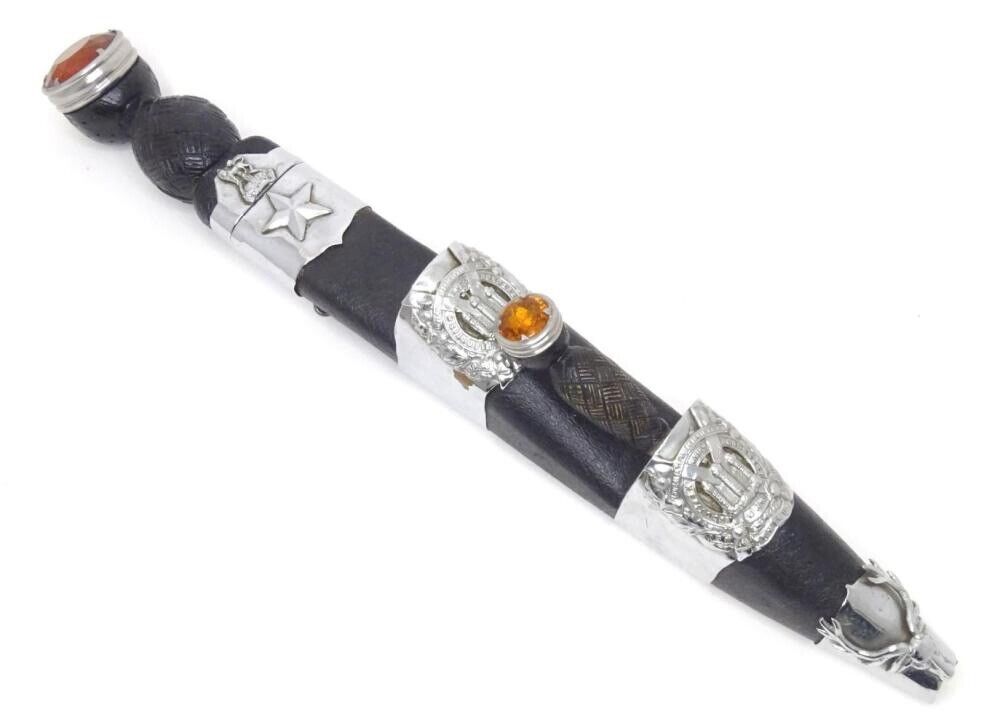
Highlanders Scottish Dirk
$800.00 CAD
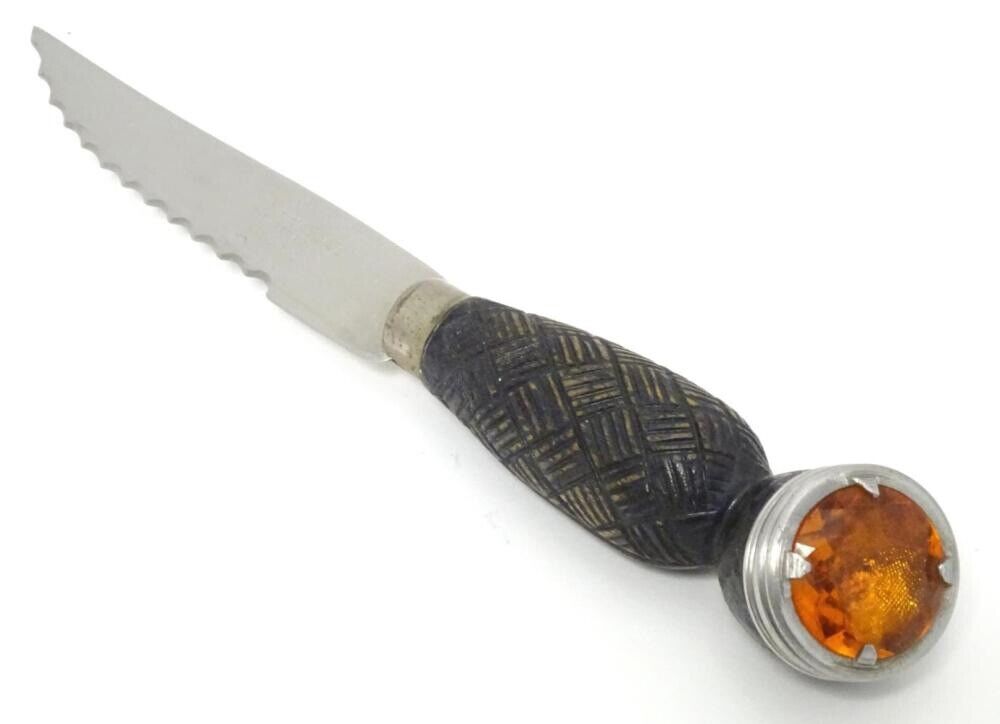
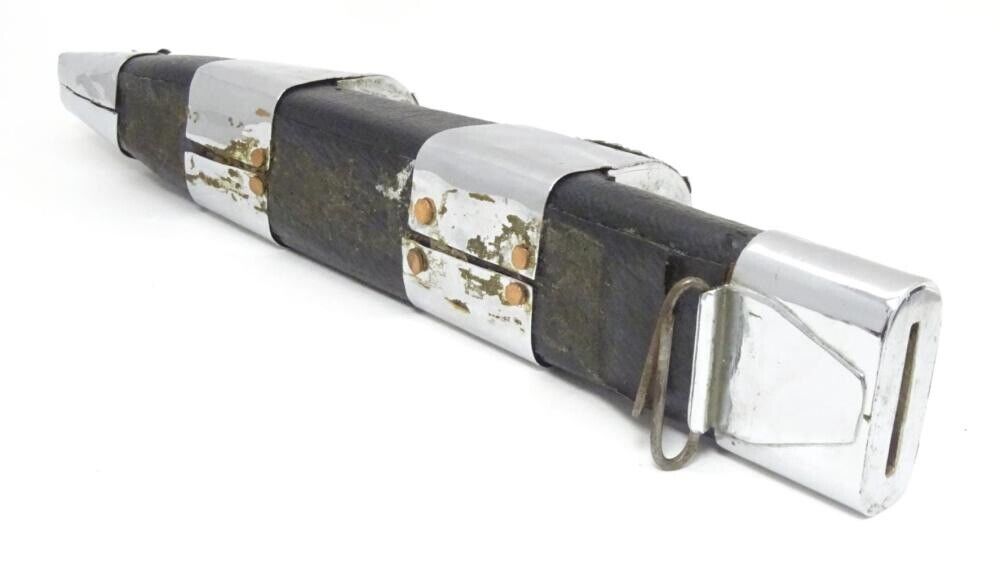
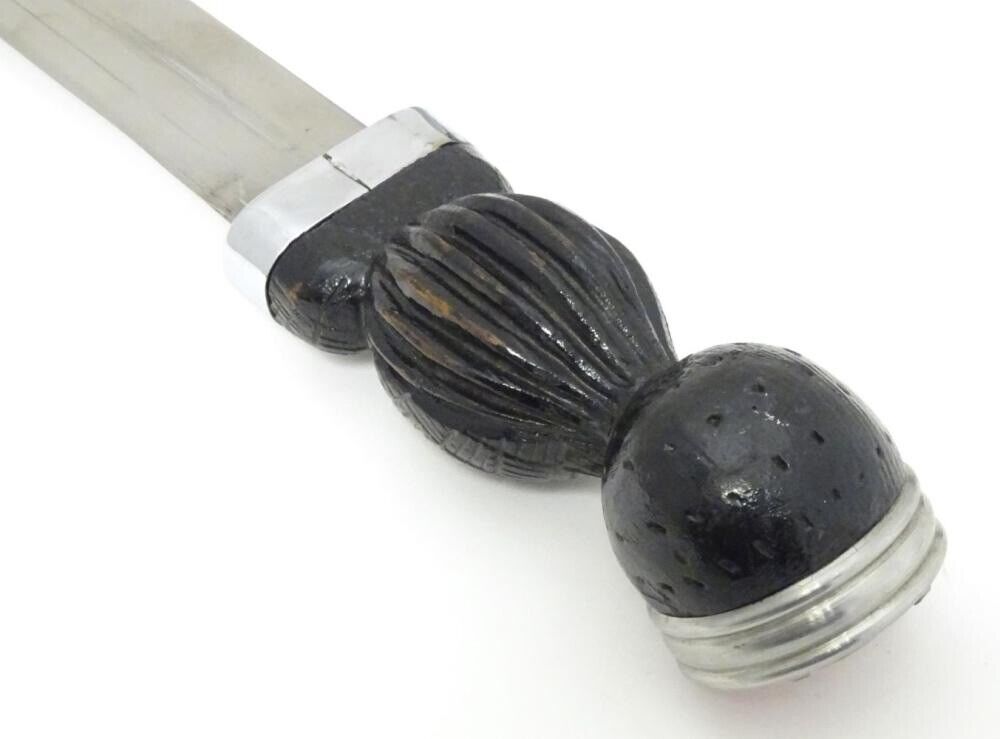
Early 20thC Highland regimental dress Dirk, Sgian Dubh and scabbard.
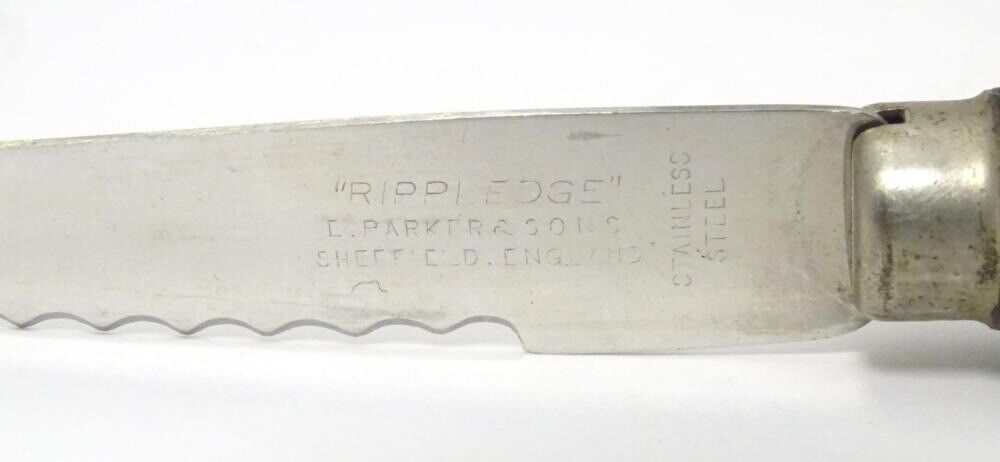
Militaria: a 20thC Highland regimental dress Dirk, Sgian Dubh and scabbard (with provision for three – fork absent) decorated with the insignia of the King’s Own Scottish Borderers), approx 17 3/4″ long.
Makers Marked
Great Condition dirk of a nice quality with set stones.
The Scottish dirk is a traditional Scottish weapon and symbol of the Scottish Highlands. It is a long, double-edged knife that was used both as a weapon and a tool in the past. The dirk became popular in the late 16th and early 17th centuries and was often worn as part of Highland dress. The design of the Scottish dirk has changed over the centuries, but it remains an important part of Scottish cultural heritage.
Regiment Information:
The King’s Own Scottish Borderers (KOSB) was a historic infantry regiment in the British Army, formed in 1689. It was one of the oldest regiments in the British Army and had a long and distinguished history, serving in numerous conflicts and wars, including the American War of Independence, the Boer War, and both World Wars. The KOSB was merged into the Royal Regiment of Scotland in 2006 as part of the restructuring of the British Army.
WW1:
The 6th (Service) Battalion landed at Boulogne-sur-Mer as part of the 28th Brigade in the 9th (Scottish) Division in May 1915 for service on the Western Front. It saw action at the Battle of Loos in September 1915, the Battle of the Somme in November 1916, the Battle of Arras in May 1917 and the Battle of Passchendaele in November 1917.
The 7th (Service) Battalion and the 8th (Service) Battalion landed at Boulogne-sur-Mer as part of the 46th Brigade in the 15th (Scottish) Division in July 1915 for service on the Western Front. They fought at the Battle of Loos in September 1915, the Battle of the Somme in November 1916, the Battle of Arras in May 1917, the Battle of Pilckem Ridge in August 1917, the Second Battle of the Somme in August 1918 and at the Second Battle of the Marne also in August 1918.
WW2:
In the period between the wars, the regiment’s regular battalions were sent all over the British Empire to Ireland, Egypt and Hong Kong but were quickly recalled home at the outbreak of the Second World War in September 1939.
The 1st Battalion landed in France as part of the 9th Brigade in the 3rd Infantry Division in September 1939 for service with the British Expeditionary Force (BEF); it took part in the Dunkirk evacuation in June 1940 and the Normandy landings in June 1944 and saw action at the Battle for Caen later that month.
The 2nd Battalion moved to Burma as part of the 89th Brigade in the 7th (Indian) Division in September 1943 for service in the Burma Campaign and saw action at the Battle of the Admin Box in February 1944 and the Battle of Imphal in July 1944.
The 4th and 5th Battalions landed at Saint-Malo as part of the 155th Brigade in the 52nd (Lowland) Division in June 1940 for service with the British Expeditionary Force; after evacuation from Cherbourg later in the month they took part in Operation Infatuate in November 1944 and the subsequent capture of Bremen in April 1945.
The 6th Battalion took part in the Normandy landings as part of the 44th Brigade in the 15th (Scottish) Division in June 1944 and saw action at the Battle for Caen later that month and then advanced into Germany.
One of its heaviest losses during the war was at the ill-fated Battle of Arnhem in which the 7th Battalion, as part of the 1st Airlanding Brigade of 1st Airborne Division, suffered 90% casualties in September 1944; they defended the perimeter in Oosterbeek against 2nd SS Panzer Corps, exemplifying the famous Scottish bravery, and not surrendering or retreating despite suffering horrendous losses.
Provenance: Purchased from a reputable auction house, consigned by a member of the original owners family.